


The Illustrated Golden Bough - A Study In Magic And Religion
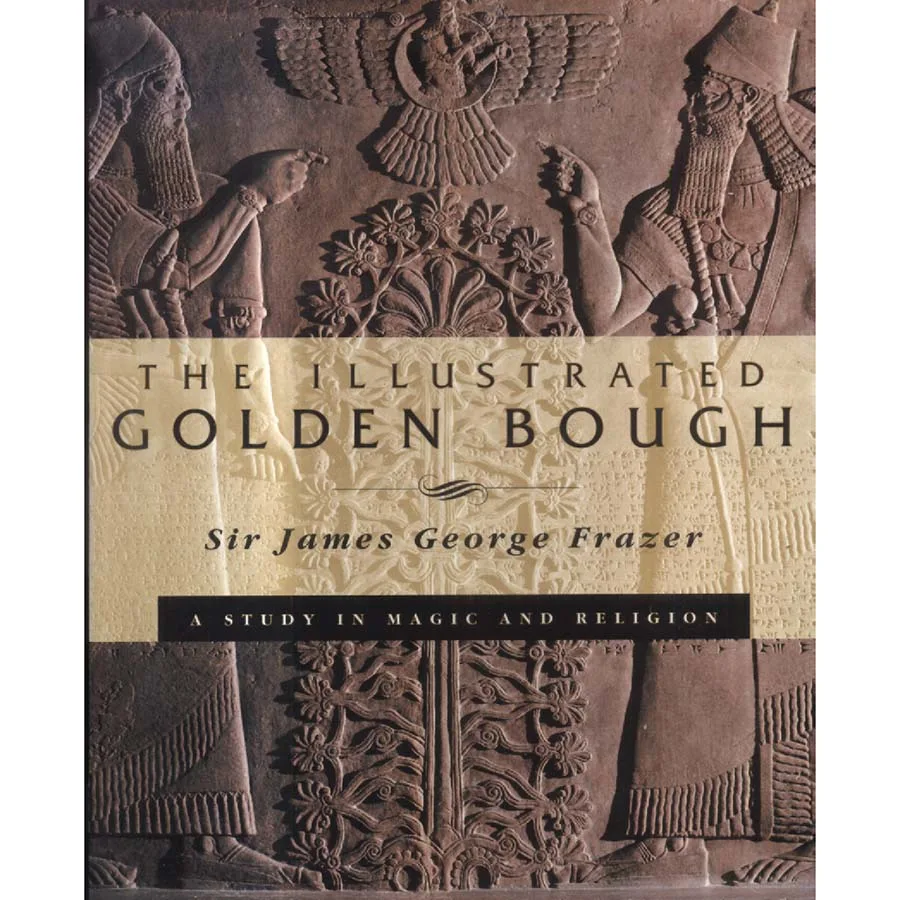
Publisher: The Softback Preview
Format: Paperback
ISBN: 0713481080
If you’ve ever wondered why people once believed that cutting down the wrong tree might anger a god, why kings occasionally found themselves entangled in elaborate fertility rituals, or why cultures separated by oceans developed surprisingly similar myths, then Sir James George Frazer is about to lead you down one of the most fascinating intellectual rabbit holes ever committed to print. The Illustrated Golden Bough is an accessible and richly visual introduction to one of the most influential studies of mythology, folklore, magic and comparative religion ever written.
Originally published as the monumental The Golden Bough, Frazer’s work transformed the study of anthropology by drawing together myths, customs and religious practices from around the globe. His bold aim was nothing less than to uncover the common threads linking humanity’s beliefs across continents and centuries. Whether discussing sacred groves, seasonal festivals, ritual sacrifice or ancient gods, he invites readers to see familiar traditions in an entirely new light.
The irony, of course, is irresistible. Human beings have always considered themselves wonderfully rational creatures, yet history reveals an extraordinary talent for dancing around bonfires, consulting oracles, appeasing invisible forces and placing immense faith in rituals that, viewed from a comfortable modern armchair, appear magnificently improbable. Frazer never mocks these beliefs. Instead, he explores them with genuine curiosity, suggesting that every civilisation, however advanced it believes itself to be, carries echoes of much older ways of understanding the world. Modern society may have traded druids for data analysts, but our desire to explain the inexplicable remains remarkably consistent.
This illustrated edition is particularly rewarding because the wealth of photographs, artwork and historical images gives visual life to Frazer’s sweeping comparisons. Ancient ceremonies, archaeological sites, religious artefacts and traditional customs help transform what could have been an intimidating academic classic into a wonderfully browsable volume that invites readers to dip in almost anywhere and emerge several centuries and civilisations away from where they started.
It should also be remembered that Frazer wrote at the end of the nineteenth century, and while many of his ideas remain enormously influential, aspects of his interpretations have been challenged and refined by later scholarship. That, however, is part of the book’s enduring fascination. It is both a landmark in the history of anthropology and a window into the evolution of academic thought itself. Even where modern researchers disagree with him, they invariably acknowledge the extraordinary ambition and impact of his work.
This 1996 illustrated softback edition presents Frazer’s remarkable ideas in a format that is approachable without sacrificing the richness of the original. It is equally suited to students, collectors, lovers of mythology or anyone who enjoys books that cheerfully connect ancient rituals, folklore, history and religion into one astonishingly broad narrative.
Condition is Good, with the book remaining clean, complete and entirely readable. It has clearly been enjoyed by a previous owner, but still has plenty of life left for the next curious mind prepared to wander through its forests of myth, legend and symbolism.
Perfect for readers of mythology, anthropology, folklore, comparative religion and cultural history. Add it to your shelves today and discover why The Golden Bough has inspired generations of writers, historians and thinkers, proving that the strangest stories are often the ones people genuinely believed. As always from Crappy Old Books—where the magic is confined to the pages, the rituals involve little more than turning them, and every book comes with considerably fewer human sacrifices than the originals discussed within.
Keep browsing: See more History books Other books by James George Frazer
